Gentle Journeys: Sleeper Trains vs River Cruise Cabins for Seniors
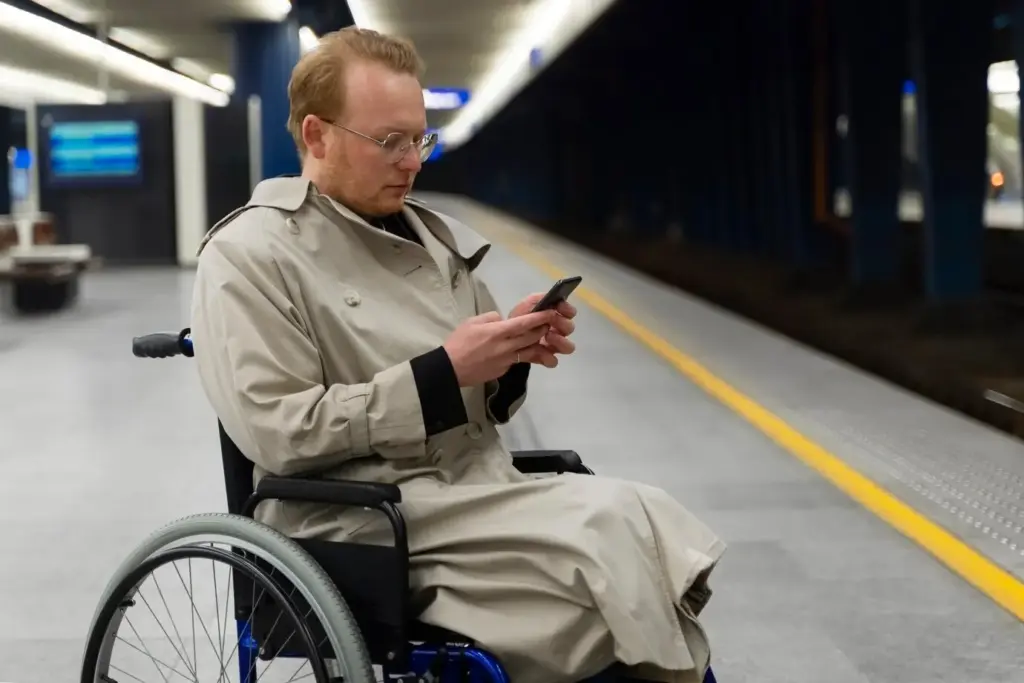
Today we explore comparing sleeper trains and river cruise cabins for senior comfort and accessibility, focusing on real boarding experiences, cabin design, sleep quality, meals, mobility, and planning. Expect practical details, heartfelt stories from seasoned travelers, and clear tips that make choosing the right style of travel feel calm, confident, and wonderfully achievable.

Boarding Made Simple: From Curb to Pillow

First impressions shape the whole journey, especially when joints protest and energy must be saved. We look closely at station approaches, step heights, gangway angles, and the kindness of crews and porters. Small conveniences—like pre-boarding, elevators, and calm pacing—can transform nerves into relief and anticipation.

Beds and Bunks That Don’t Fight Back

Upper berths challenge knees and balance, while lower berths on modern sleepers sometimes convert from seats and sit higher than expected. River cabins usually feature standard-height beds with space around both sides. If rolling out easily matters, confirm bed height, gap to the wall, and whether grab points exist within a gentle arm’s reach.

Bathrooms Built for Real Nights

Small train bathrooms can turn routine tasks into choreography, especially during motion. Some accessible train cabins exist but are limited and book fast. River cabins often offer larger bathrooms, grab bars, non-slip floors, and sometimes roll-in showers. Nightlights, lever faucets, and shelves at shoulder height reduce fumbling and post-midnight stumbles.

Sleep, Motion, and Quiet

Rest restores everything. Trains bring clicks, sway, and sporadic announcements, while rivers offer a gentler glide with occasional docking bumps. Sensitivity varies, so the right tools help: soft earplugs, silk eye masks, and breathable fabrics. Control of temperature, light, and vibration separates drowsy struggle from morning clarity.

Managing Sound and Shakes

Track joints clack, couplers tug, and horns punctuate darkness, yet white-noise apps and earplugs tame much of it. River ships hum quietly, though lines and gangways may rattle when moored. Request a mid-ship, lower-deck cabin for stability, or a sleeper compartment away from doors and service areas for softer surroundings.

Light, Darkness, and Nighttime Routines

Sleeper corridors glow softly and coaches flash with passing stations; blackout curtains help but not perfectly. River cabins usually offer layered lighting and heavier drapes. A motion-sensing nightlight near the bathroom, pre-filled water, and a reachable eyeglass tray eliminate fumbling, preserve balance, and shorten the path back to dreams.

Fresh Air, Temperature, and Comfort Controls

Older thermostats on trains may be temperamental; layers and a light scarf can rescue an over-chilled compartment. River cabins typically deliver steadier climate control and operable windows on some categories. Humidifiers, if permitted, soothe dry throats. Keep medication, lip balm, and a small bottle of water within arm’s reach for easy care.

Meals, Routines, and Special Diets

{{SECTION_SUBTITLE}}
Timing That Matches Your Energy
Train dining cars may close early or during operational stretches, so packing familiar snacks prevents blood sugar dips. River ships schedule predictable breakfasts and unhurried dinners with flexible seating. Requesting earlier dining reduces late-night heaviness, supporting gentler sleep and a more alert morning for excursions or scenic deck time.

Clear Communication for Dietary Needs

Allergies and preferences deserve respect. On trains, tell the conductor or attendant early and confirm again in the dining car. River ships often invite pre-trip dietary notes and daily conversations with the maître d’. Printed cards explaining restrictions help across language barriers, protecting safety while preserving delight with thoughtful substitutions.

Beyond the Cabin: Moving, Exploring, and Assistance

Corridors, Elevators, and Gathering Spaces

Train corridors can squeeze walkers and require synchronized passing with fellow travelers. River ships usually provide wider passageways and lounges with varied seating heights and firm arms for easier rise. Elevators connect key decks, though steps may remain to the top. A strategic afternoon rest preserves social energy for evenings.

Excursions and Stops Without Stress

Sleeper itineraries emphasize the journey, with short windows at stations that rarely allow relaxed exploring. River cruises focus on ports, offering multiple walking groups and sometimes accessible coaches. Asking about gradients, restroom availability, and surface types—cobbles, gravel, polished stone—prevents disappointment and helps choose joyfully manageable outings every day.

Safety Briefings and Real Help When Needed

Seniors appreciate gentle, unhurried instructions. On trains, find the emergency cord, nearest attendant, and clear pathways to exits. On river ships, attend muster briefings, note lifejacket storage, and learn elevator alternatives. Share mobility concerns early; crews often offer discreet assistance that preserves independence while providing real security and peace.

Cost, Value, and Smart Planning

Money decisions influence comfort long before departure. Sleeper cabins can be affordable yet require compromises in space and amenities. River cruises cost more but bundle meals, tours, and support. Early booking secures accessible options and senior discounts, while realistic travel insurance cushions surprises with pragmatic kindness.
Muxefururirexopifa
Privacy Overview

This website uses cookies so that we can provide you with the best user experience possible. Cookie information is stored in your browser and performs functions such as recognising you when you return to our website and helping our team to understand which sections of the website you find most interesting and useful.