Your Essential Health, Medication, and Insurance Checklists for Senior Rail and River Vacations

Set off with confidence as we guide you through health preparation, medication organization, and travel insurance must‑haves designed specifically for senior rail and river vacations. We focus on practical, traveler‑tested checklists covering doctor visits, prescriptions, mobility planning, and claims documentation so you can relax and enjoy every scenic mile and gentle shoreline. Bookmark these steps, share them with your travel partner, and subscribe for updates as we refine each checklist with fresh tips from real journeys and reader experiences.

Prepare Your Body Before the Journey

A calm, well‑planned start makes every carriage and gangway feel welcoming. Schedule a pre‑trip evaluation to review medications, vaccinations, and mobility needs, and discuss rail connections or river schedules that may affect your energy levels. Ask about fall‑prevention strategies, compression socks for long sitting periods, and exercises that strengthen balance for station platforms and ship gangways. Capture baseline vitals, confirm hearing aid batteries, and update eyewear prescriptions. Print your preparation checklist and share it with a companion who can help keep everything on track.

Doctor’s Clearance and Personalized Roadmap

Book an appointment six to eight weeks ahead, bringing your itinerary, recent lab results, and questions about altitude, time zones, or seasonal allergies. Ask for a written summary of conditions, medication adjustments, and thresholds that require urgent care. Discuss safe activity levels for excursions, including walking durations, inclines, and weather expectations. Request a fit‑to‑travel note, plus any necessary prescriptions or letters supporting medical supplies. Leave with a clear, personalized plan that aligns your health with each day’s rail connections and river stops.

Vaccinations and Preventive Care

Verify routine immunizations are up to date, including influenza and a COVID‑19 booster if recommended for your situation and timing. Ask about region‑specific vaccinations and preventive strategies for gastrointestinal upsets common with new cuisines and water sources. Review sun protection, dermatology concerns, and skin‑care routines for long days on open decks. Discuss compression garments, leg stretches, and hydration habits to reduce clot risk during extended seated travel. Add motion‑comfort options for trains and river ships, even though river sailing is typically smooth and gentle.

Baseline Measurements and Personal Health Card

Compile a concise card listing diagnoses, current medications with dosages, allergies, and emergency contacts, plus your insurer’s international assistance number. Include baseline blood pressure, heart rate, oxygen saturation if relevant, and any device information such as pacemakers. Secure a digital copy in your phone and a printed version in your wallet. Ask your clinic for a copy of your most recent ECG if cardiac history exists. These details help onboard staff or station medics respond quickly if an unexpected situation arises during a transfer or dockside walk.

Medication Planning Without Stress

Your prescriptions deserve first‑class organization. Create a master inventory listing brand and generic names, dosages, and timing, then assemble a two‑week buffer beyond your planned return. Pack medications in original labeled containers, backed by physician letters for liquids, needles, or controlled substances. Use a color‑coded pill organizer while keeping originals accessible for customs checks. Photograph labels and upload them to secure cloud storage. Set reminders that adapt to time zones, and keep a small essentials pouch handy for unexpected schedule changes or missed seat‑service windows.

Insurance You Can Trust When Miles from Home

Protection is more than paperwork; it is peace of mind when plans change or a health concern surfaces mid‑journey. Compare policies that cover pre‑existing conditions, cancellation for medical reasons, and interruption due to strikes or weather affecting rail connections or river levels. Verify emergency medical, hospitalization, and evacuation limits, plus secondary versus primary coverage rules. Confirm how to access care abroad, whether via direct billing or reimbursement. Save policy PDFs offline, print wallet cards, and share copies with your travel companion for quick access during busy transfers.

Accessibility and Mobility Across Platforms and Piers

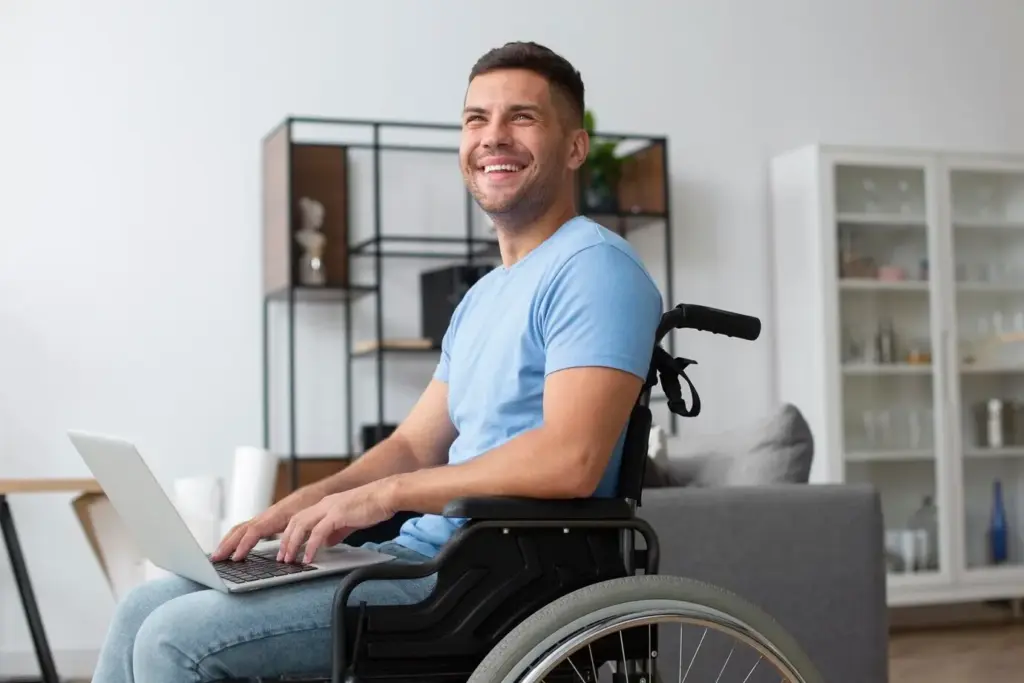
Smooth movement turns each station and quay into part of the adventure. Request rail assistance in advance, confirming wheelchair services, luggage help, and platform meeting points. For river ships, ask about elevator access between decks, doorway widths, shower configurations, grab bars, and seating near dining entrances. Evaluate shore‑excursion intensity levels and the availability of gentle‑pace options. Bring a lightweight cane or folding seat if balance varies. Share your needs with staff early; crews excel at creative solutions when they understand what helps you feel steady and independent.

Hydration, Nutrition, and Special Diets
Set a water target and track it with a marked bottle, refilling at stations or ship dispensers. Choose fiber‑friendly breakfasts and lean proteins to steady blood sugar during long sightseeing strolls. Tell staff about dietary needs—low sodium, gluten‑free, or diabetic plans—so meals arrive worry‑free. Pack a few trusted snacks to bridge late lunches after scenic detours. If alcohol is served, pair each glass with water and a small bite. Celebrate regional flavors thoughtfully, allowing digestion time before walking narrow alleys or stepping between rail platforms.

Sleep, Noise, and Motion Comfort

Protect sleep by creating a wind‑down ritual: dim lights, stretch gently, and reduce screens an hour before bed. Use earplugs or a white‑noise app to soften station announcements or corridor footsteps. A light scarf can double as a comfortable eye mask. If motion bothers you, choose mid‑ship cabins or forward train seats with steadier feel. Keep nighttime medications and water within reach. In the morning, pause before standing to prevent dizziness, then enjoy an unhurried start, letting sunlight and a warm beverage nudge your energy naturally.

Light Movement and Stretching Rituals

Plan micro‑movements every hour: ankle circles at your seat, shoulder rolls while waiting at platforms, and standing hamstring stretches along deck railings when safe. Add a resistance band to your day bag for simple rows or leg presses in your cabin. Balance work—heel‑to‑toe walking near a hallway wall—supports confident steps on cobblestones. Celebrate milestones, not intensity. Margaret, seventy‑four, regained steady stride by practicing ten minutes twice daily on a recent Danube cruise, proving gentle consistency can transform comfort across bridges, plazas, and museum corridors.

Emergency Readiness with Calm and Confidence

Preparation turns surprises into solvable puzzles. Save emergency numbers for each country, along with your insurer’s assistance line, on your phone and printed card. Create a quick‑access folder containing passport copies, prescriptions, and doctor letters. Add translations for key phrases like allergies or device explanations. Identify clinics near major stations and ports, and note telemedicine options with international availability. Share your plan with a companion and rehearse who calls whom. Invite fellow travelers to contribute tips, and subscribe for updated printable cards and route‑specific resources.

Contacts, Translations, and Medical ID

Assemble a laminated card listing emergency contacts, insurance numbers, blood type, allergies, and implanted devices. Add concise translations for your conditions and medications in the languages you will encounter. Store duplicates in your wallet, day pack, and cabin safe. Program your phone’s medical ID with the same information. If traveling alone, ask a staff member to hold a sealed copy at reception. Keep a simple script for requesting help, so stress does not erase essential words when speaking to station staff or ship personnel.

Finding Care Along the Route

Before departure, map reputable clinics near major railway hubs and river ports, saving addresses offline. Verify hours, accepted payment methods, and whether they coordinate with international insurers. Ask the ship’s purser or rail concierge for local recommendations if symptoms arise. Bring a compact thermometer, blood pressure cuff if advised, and a small first‑aid kit for minor issues. Document symptoms and timing to help clinicians. Leave with receipts, discharge notes, and prescriptions, then email copies to your insurer and primary doctor to keep everyone aligned.

Muxefururirexopifa
Privacy Overview

This website uses cookies so that we can provide you with the best user experience possible. Cookie information is stored in your browser and performs functions such as recognising you when you return to our website and helping our team to understand which sections of the website you find most interesting and useful.